

This story is adapted from the MT Lowdown, a weekly newsletter digest containing original reporting and analysis published every Friday.
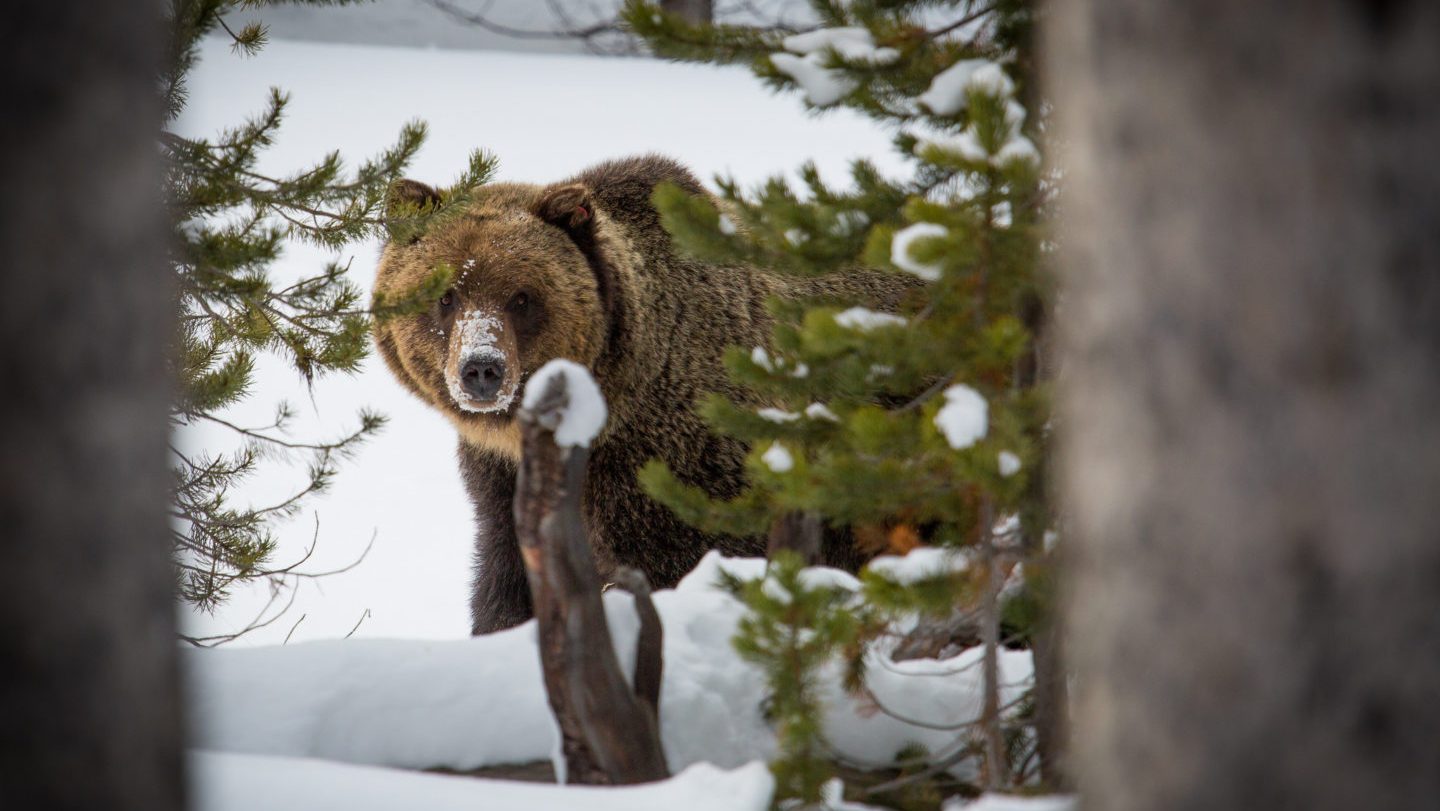
Twenty-one grizzly bear deaths have been reported to wildlife managers to date in 2024, according to a dashboard Montana Fish, Wildlife and Parks unveiled Monday.
In a press release, FWP Chief of Conservation Policy Quentin Kujala described the online tool as part of a larger effort to increase public awareness of the circumstances surrounding grizzly bear deaths.
RELATED

The grizzly Rorschach test
If the U.S. Fish and Wildlife Service removes NCDE and Yellowstone grizzlies from the United States’ list of endangered and threatened species, Montana will assume full management authority of those bears — something it hasn’t had since Lower 48 grizzlies became one of the first species to join the Endangered Species List in 1975. Stakeholders weigh in on the state’s management plan.
Feds to explore delisting of Greater Yellowstone and NCDE grizzlies
The agency’s announcement was welcomed by Republican officials, who’ve long sought to restore management of grizzly bears to state agencies. Environmentalists questioned whether USFWS is fulfilling the mandates of the Endangered Species Act and cast doubt on Montana’s ability to manage grizzlies sustainably.
“It will also help reinforce our consistent message of securing attractants and being bear aware to avoid conflicts,” Kujala wrote.
Alongside the deceased bear’s sex and location, the agency dashboard lists the date of the death and a short descriptor of its suspected or confirmed cause. Mortalities on tribally-managed land are not included.

The tool’s launch comes as the state of Montana seeks to demonstrate to the U.S. Fish and Wildlife Service that it can manage a sustainable population of the conservation-reliant, conflict-prone animals, which were listed as protected under the federal Endangered Species Act in 1975. Part of FWP’s effort to resume state management of grizzlies involves persuading federal regulators that there won’t be a dramatic increase in human-caused mortalities upon delisting.
About a third of the deaths reported so far in 2024 related to livestock attacks or bears that had been drawn to unsecured attractants — things like trash, beehives, bird feeders and pet food. As of Step. 27, two deaths are listed as being under investigation and another two listed as illegal killings. The most recent bear death, reported on Aug. 28, involved a train or vehicle collision in Lewis and Clark County.
The web dashboard is available here.
LATEST STORIES
A cancer survivor hoped to work — then she lost her Medicaid disability coverage
Patients with disabilities have long struggled with administrative hoops, blunders, and confusion when trying to qualify for federally subsidized health coverage because of their illness. Now, new federal Medicaid work requirements mean states face the additional task of deciding who qualifies for a medical exemption. That means reviewing medical cases for an even larger swath of Medicaid enrollees.
Montana drops bison lawsuit against Yellowstone National Park
Motion to dismiss ends nearly two years of litigation, renewed tension over who gets a say in bison management
Poll: Rep. Troy Downing ahead in Eastern U.S. House District
A Montana Free Press-Eagleton poll conducted between Aug. 27 and Sept. 7 shows incumbent Rep. Troy Downing with a substantial lead over Democrat Brian Miller in their race for Montana’s Eastern District U.S. House seat.
