


With nearly 24,000 farms and ranches operating in Montana, the state’s residents are pitching in to produce a wide variety of food — from beef to chickpeas — for consumers around the world.
But how often are Montanans regularly consuming locally grown products? Some local food advocates say not nearly enough.
“We’re so lucky in Montana to have a true abundance and plethora of foods we can eat year-round,” said Erin Austin, the director of community partners and sales at Abundant Montana. The nonprofit works to promote about 1,100 food producers and businesses in the state in an effort to increase local food consumption.
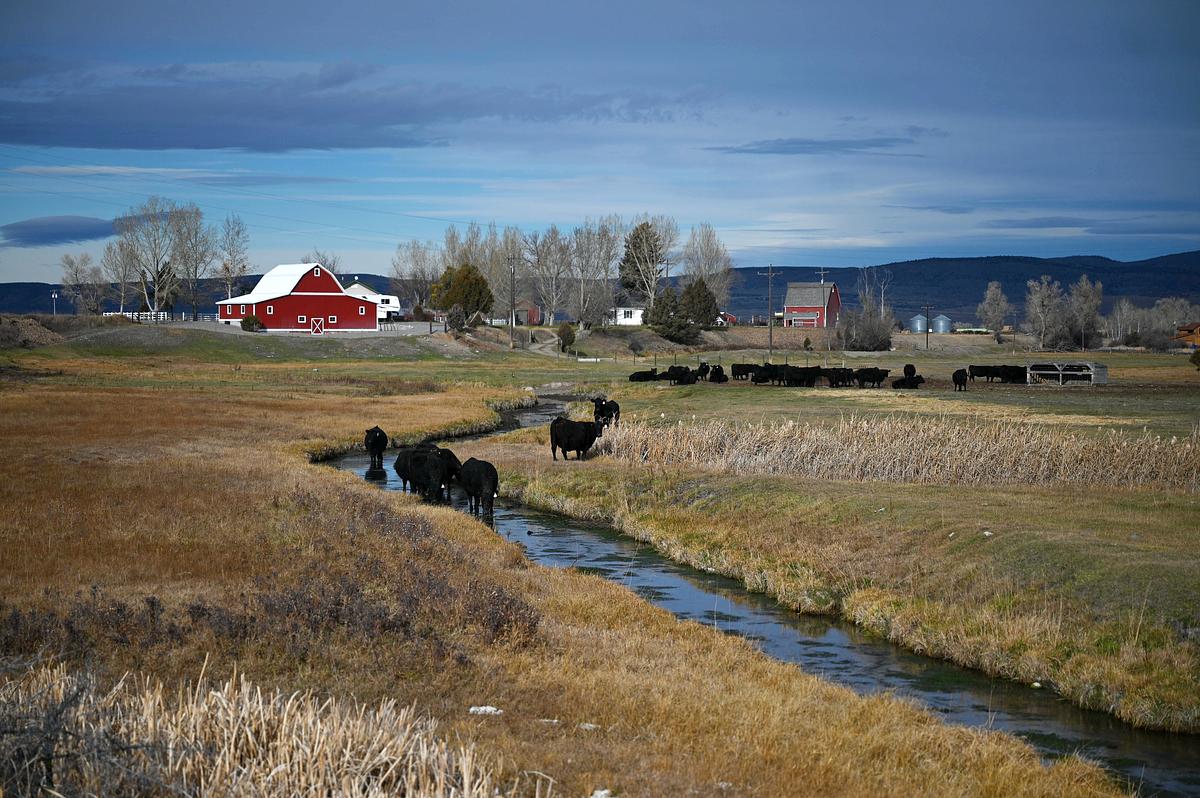
In the 1950s, Austin said, about 70% of the food Montanans ate came from within the state. As of 2021, she said, that number had dwindled to 3%. The organization is trying to drive that percentage back up, in part by mapping out where Montanans can find nearby growers and ranchers.
Austin said it’s absolutely possible to make an entire Thanksgiving meal with locally sourced ingredients, even if that means diverging from some traditional recipes. Local food may be more flavorful and nutritious because it was picked at peak ripeness, she said. Those purchases also help fuel the local economy, she added, powering up Montana’s rural and home-grown communities.
With Thanksgiving around the corner, here are five Montana-made foods that you can add to your festivities.
PUTTING TURKEY ON THE TABLE
Montana is well-known for being cattle country, with cows still outnumbering people statewide. The state, however, doesn’t even rank in the top 13 for turkey production, according to the most recent data compiled by the U.S. Department of Agriculture.
To be fair, there’s no real reason why your Thanksgiving spread couldn’t include Montana beef (or chicken, for that matter), but if you’re on the lookout for a more traditional turkey dinner, Montana growers can help fill the gap.
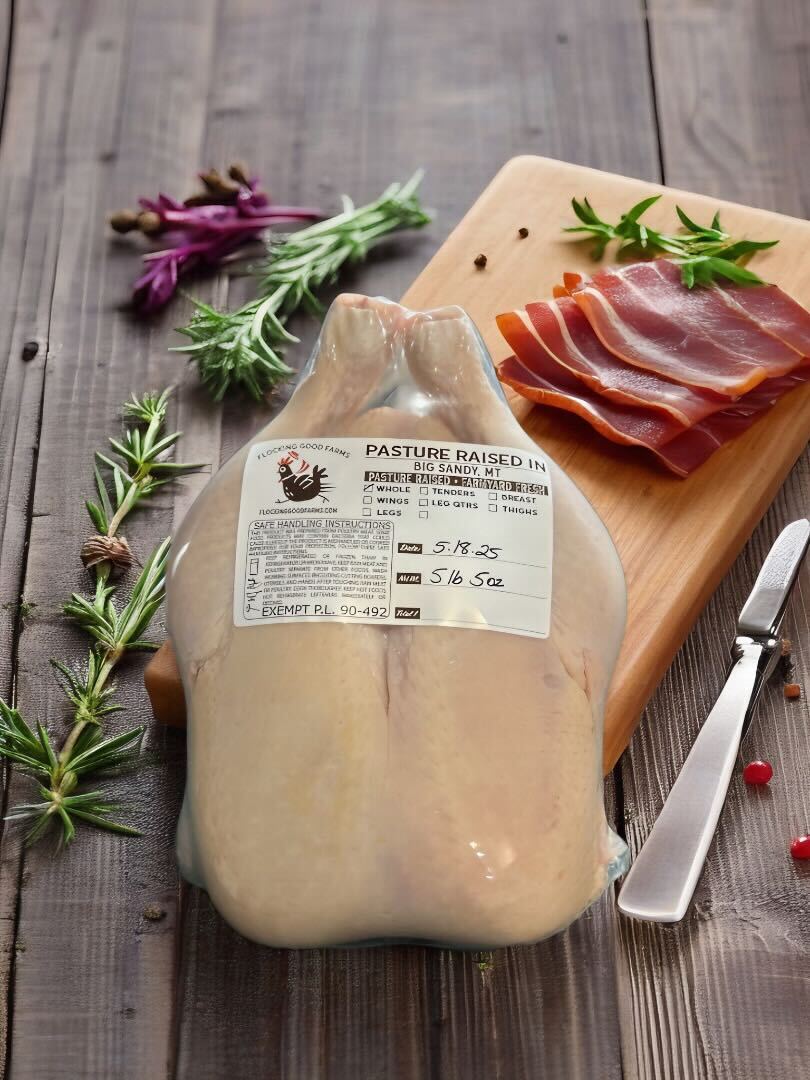
Flocking Good Farms near the north-central town of Big Sandy is operated by Carissa Bergren and Joe Ostrom as part of the larger Ostrom Acres farm operation. The farm touts its in-house feed that’s free from corn, soy products and GMOs and helps nurture the gaggle of chickens and turkeys.
After being recently featured by KRTV, a Great Falls television station, Ostrom said the farm’s sales have skyrocketed, leaving only three turkeys remaining as of last week. Ostrom also credited the jump in sales for the two-year-old business to a growing awareness about locally grown food.
“I think people are getting aware of where their food comes from, and they know it’s a better quality food,” Ostrom said. “I’ll just say that it’s gone better than I ever expected.”
Of course, wild turkey hunting is also legal in Montana, as long as recreators have the proper fees and permits in place. The state has two subspecies — Merriam’s and Eastern — of turkey, though neither is native to the state. The most popular season for hunting wild gobblers is in the spring, but fall hunting is currently underway until Jan. 1. According to Montana’s Fish, Wildlife and Parks Department, popular regions for turkey hunting include the Custer National Forest and parts of Fergus County and the Charles M. Russell National Wildlife Refuge.
STEP ASIDE IDAHO — MONTANA HAS POTATOES, TOO
In a state that often flexes its exceptionalism (really big sky, full of treasure, etc.), we will admit that our neighbors to the west have some very nice potatoes. But that doesn’t mean Montanans have to shop outside of the state’s borders for this Thanksgiving staple.
In 2023, Montana had almost 12,000 acres planted for seed potatoes, roughly a third of Idaho’s total acreage for the crop. The starch is so popular that the town of Manhattan, about 25 minutes west of Bozeman, hosts an annual Potato Festival every August.
One local resource for finding made-in-Montana spuds is Root Cellar Foods. The food distributor allows for online ordering and local pickup locations and drop-off options around the Gallatin Valley. If you can’t order in advance, several of the growers that work with Root Cellar Foods also advertise their own farm stands that are open regularly with an assortment of products.
PUMPKIN PIES AND SQUASH OF ALL STRIPES
Although Montana also doesn’t crack the list of top-10 states for pumpkin production across the country, the Thanksgiving-essential squash is bountiful at farm operations around the state. (Some growers are certainly trying to stand out in their field, so to speak, with a 1,591-pound pumpkin breaking Montana’s state record this year for largest pumpkin ever recorded.)
That said, baking isn’t everyone’s area of expertise, even with high-quality local ingredients. If you’re near the town of Belt, just southeast of Great Falls, the team at Ever Westward Farm is taking orders for homemade Buttermilk Cardamom Pumpkin Pie available for pickup at its farm stand.
Other types of Montana-grown squash can grace your Thanksgiving tables in the form of more savory dishes, too. Butternut, acorn and delicata are just some of the varieties of squash available from Winter Kissed Farm in Stevensville, a farm operation that focuses on CSA distribution within the Bitterroot Valley and beyond.
LENTILS, CHICKPEAS AND GRAINS GALORE
Perhaps unsurprisingly, one area of the agricultural sector where Montana shines is in its diversity of nutritious grains grown across much of the central and eastern part of the state.
Two crops that could provide the foundation for a Thanksgiving salad or side dish are Montana lentils and chickpeas, some of the state’s most common pulse crops. A lentil salad for the holiday can also include many other grown-in-Montana ingredients, including squash, greens and root vegetables. Cooked chickpeas can be ground down into hummus for an appetizer or featured in a heartier vegetarian side dish.
Prairie Roots, the marketing enterprise of Sather Ranch, LLC in northeast Montana, about an hour north of Glasgow, carries both chickpeas and lentils, along with an assortment of other grain products. They offer delivery to nearby towns along the Hi-Line, including Malta, Hinsdale, Glasgow, Nashua and Wolf Point.
BERRIES BESIDES CRANBERRIES
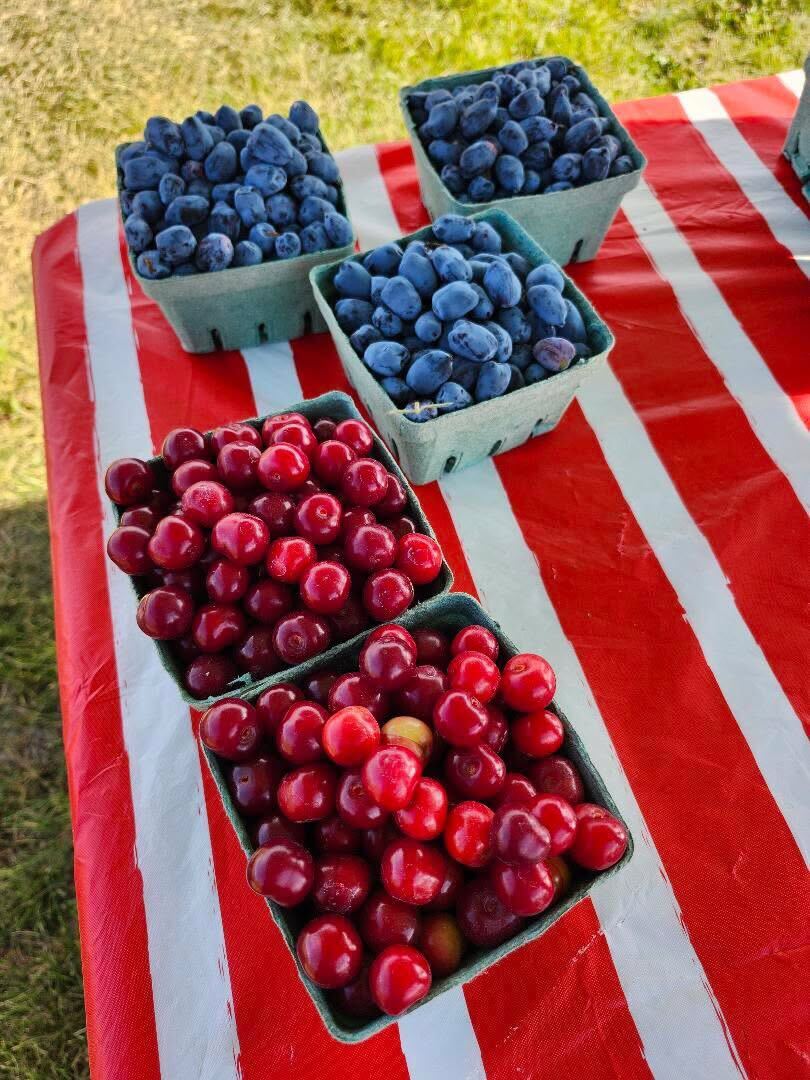
Cranberries, the accent fruit traditionally used to contrast savory poultry or stuffing, aren’t very easy to produce in Montana because of its dry climate. But other berries are bountiful and ready to use in jams, syrups, sauces or baked inside pies for Thanksgiving.
Catherine McNeil, the former president of the Montana Berry Growers Association and the operator of Apple Bar Orchard near Helena, is particularly fond of haskaps. The oblong, dusty blue berries are also known as honeyberries. But McNeil said many Montanans don’t know about them, or how versatile they can be in cooking and baking.
“Some people have used [haskaps] with pork,” she said. “I’ve used them with meatballs. … I’ve never tried them with poultry; that’s not saying I wouldn’t. For sure, I think they would go great.”
McNeil also pointed to Township Road Farm in Worden, just northeast of Billings, as another berry grower offering a range of products, including elderberries, currants and chokecherries, that could enhance Thanksgiving meals.
latest stories
Former Senate President Ellsworth charged with official misconduct
Former Republican state Senate President Jason Ellsworth will be charged with misdemeanor official misconduct for allegedly attempting to award $170,100 worth of government work to a friend, the state Department of Justice said.
You can still get a ticket to Cat-Griz 2.0 — but it’ll cost a paw and a tail
Tickets for the first-ever playoff matchup between the University of Montana Grizzlies and the Montana State University Bobcats Dec. 20 hover between $400 and $3,700, riling up some fans who decry MSU’s decision to sell seats to season ticket holders instead of the general public.
After brother’s suicide, Blackfeet sisters are creating a horse-based alternative to talk therapy
Wyatt Mad Plume took his own life two years at age 29. Ever since, Wyatt’s sisters Lynn and Erika have been trying to turn their grief into something concrete and purposeful. Specifically, they want to provide free mental health resources to community members in the company of horses, animals their brother loved. Local men in particular, Lynn and Erika say, tend to resist talk therapy. They hope an alternative, informed by a blend of emerging mental health research and longstanding cultural traditions, might help reduce the likelihood of a death like their brother’s. They’re eager to make a dent in…